
災害時の生活は?

Basics of disasters

About disasters

First, let me tell you about disasters. Disasters are natural phenomena or man-made causes that affect human life or social life. Refers to a situation where damage occurs. There are two types of disasters. The first is natural disasters. These include earthquakes, tsunamis, and floods. The other is man-made disasters. These include factory fires and explosions, nuclear power plant accidents, and leaks of hazardous substances.

Disaster measures
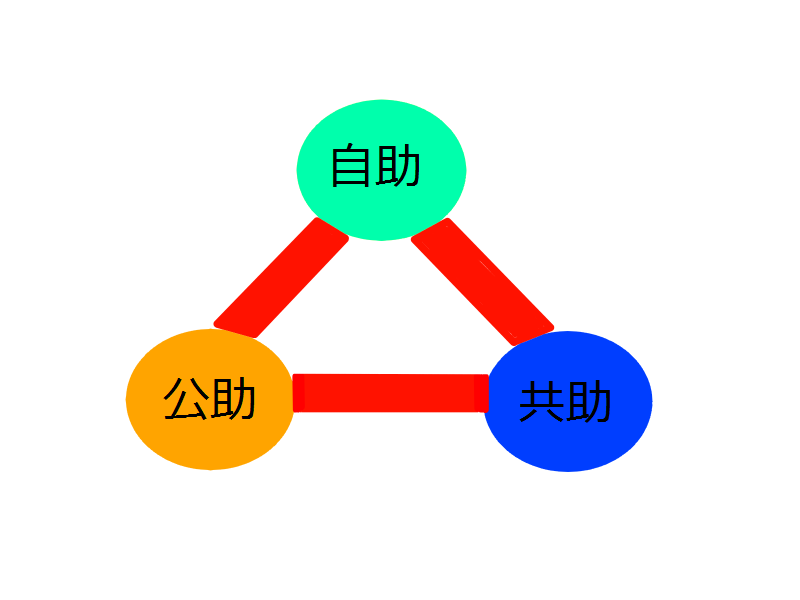
自助 共助 公助

There are three "helps" when taking disaster countermeasures.
Self-help, mutual help, and public help.
Self-help means keeping yourself and your family safe. We prepare for daily disasters and respond in the event of a disaster.
Mutual aid is helping your neighbors and relatives. Neighborhood mutual help and voluntary disaster prevention related etc.
Public assistance is provided by the government and related organizations (city hall, fire department, police, etc.) based on laws and plans. Enhancement of information transmission functions and support for self-help, etc. say.

When a disaster occurs


At home
Be careful of falling or falling objects and protect yourself with a desk or other nearby objects. It is important to protect your head with a cushion or bag. If you can move, it is important to escape to a hollow place such as under a table. If you feel strong shaking, it is important to move quickly.

when you're out


For elevators
Press the buttons on all floors and escape on the floor where you stop the first. If you are trapped, Communicate with the outside world using an emergency intercom etc.
While driving (on public roads)
Turn on your hazard lights, gradually reduce your speed, stop on the left side of the road, and wait for the shaking to subside. get out of the car, When leaving, please leave your keys unlocked so as not to obstruct the passage of emergency vehicles. When riding in a car, suddenly brake, Avoid sudden steering as it is dangerous.

Confirm evacuation sites and evacuation routes


Based on the lessons learned from the Great East Japan Earthquake, the Basic Act on Disaster Countermeasures was amended, and it now includes two categories: ``designated emergency evacuation shelters,'' which are the first places to be evacuated when a disaster occurs, and ``designated evacuation shelters,'' where people live as evacuees. It was decided to specify.
Designated emergency shelter
It is a place for emergency evacuation to protect lives from the danger of disaster. Evacuation sites are designated for each type of disaster, with sturdy buildings used as evacuation sites in the case of landslides, and school grounds and parking lots used as evacuation sites in the case of earthquakes.
designated evacuation center
This is a facility where evacuated residents can stay for a necessary period of time until the danger of the disaster has passed, and where residents who are unable to return to their homes due to a disaster can temporarily stay. Public facilities such as schools, gymnasiums, and community centers are also used.